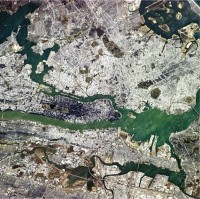
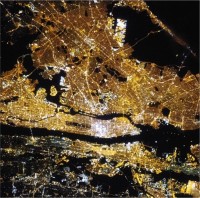
(via Fast Company)
(via Fast Company)
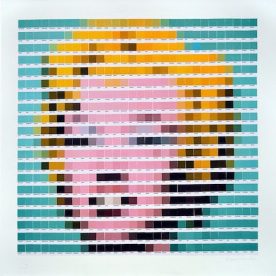
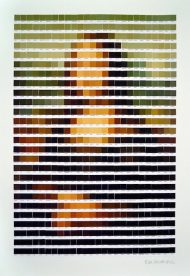
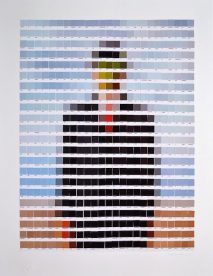
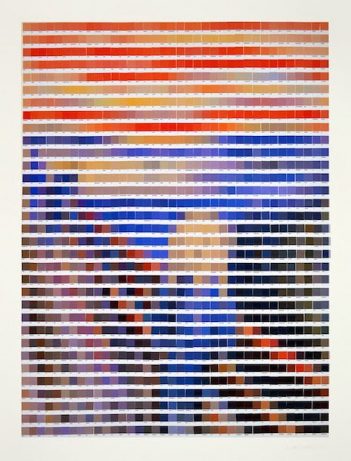
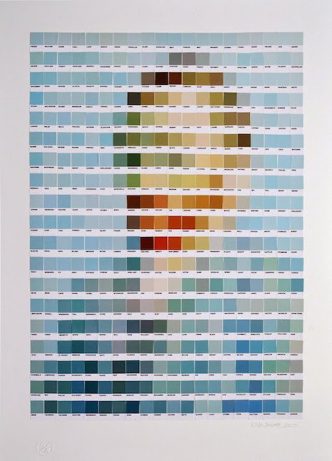
Marco Sodano, Art Director of Geometry Global in Milano Italy, created this unique campaign for Lego: All children are authentic artists with Lego.
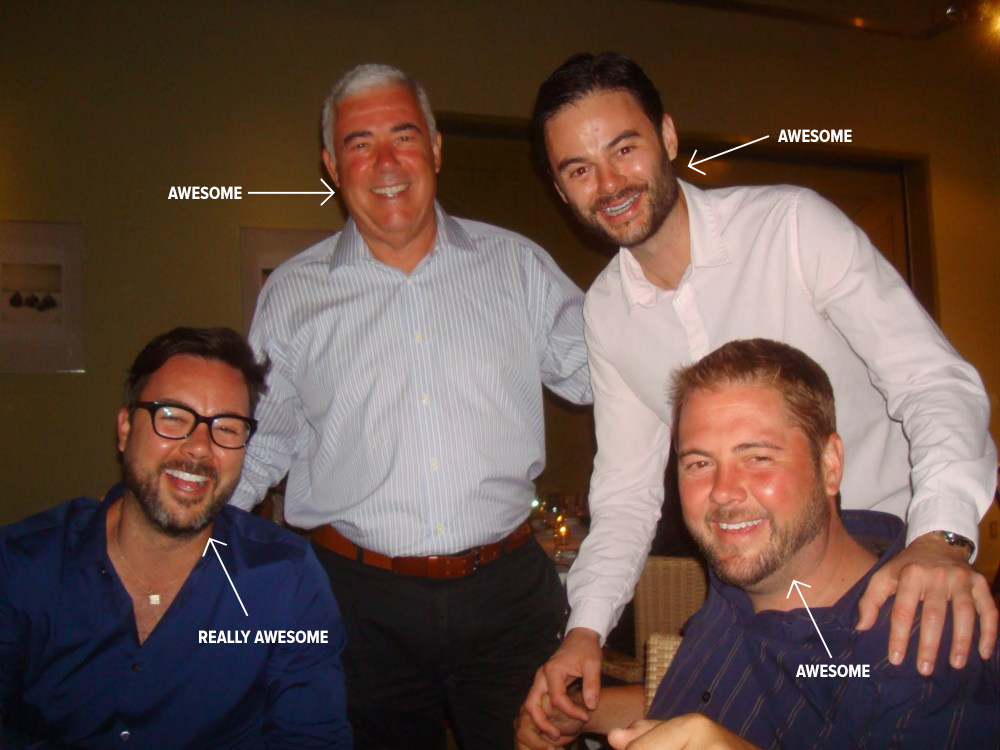
Google Plus Photos now offers a new form of auto-awesome, their service best known for adding snow to winter photos, sparkles to Christmas tree lights, and turning successive photos into animated gifs. This one is called “Smile” and it truly lives up to its name. Read more
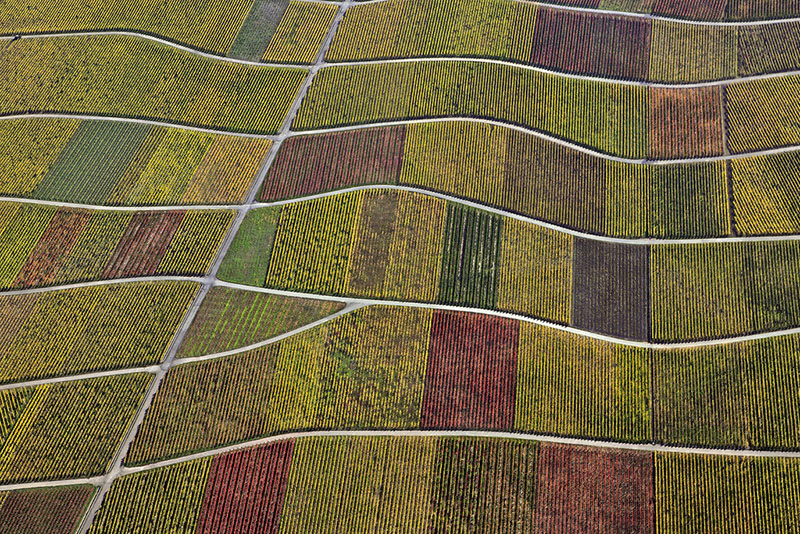
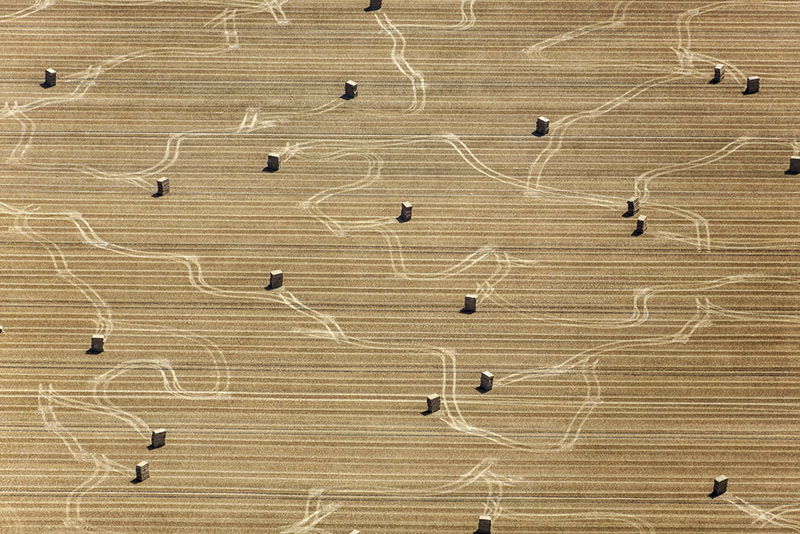
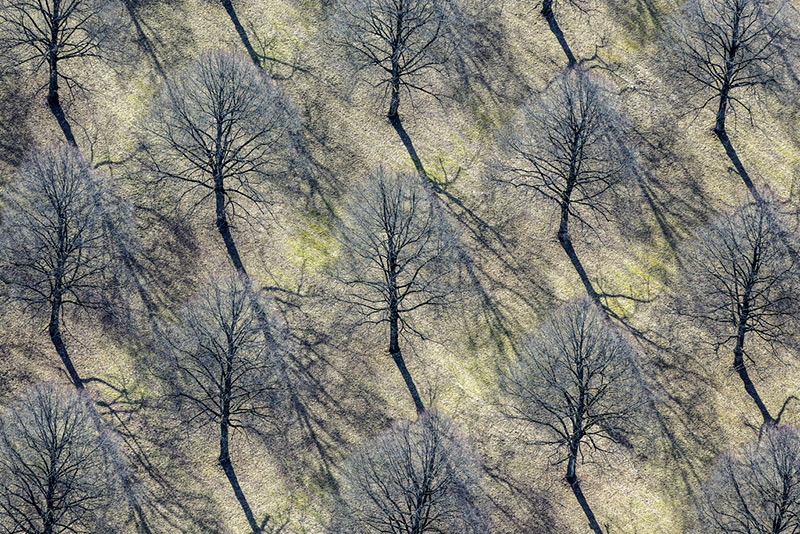
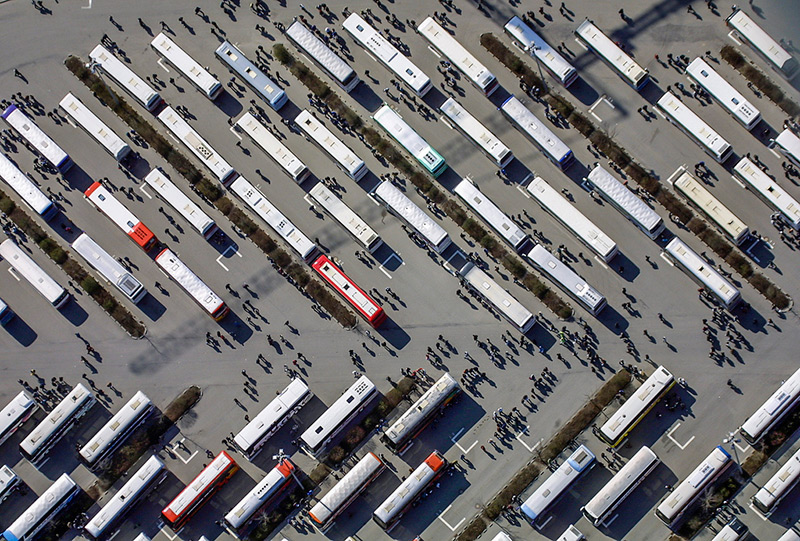
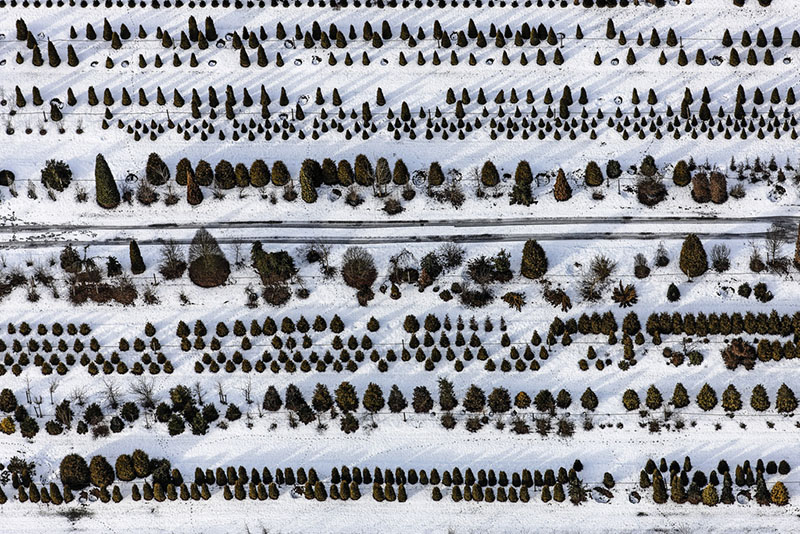

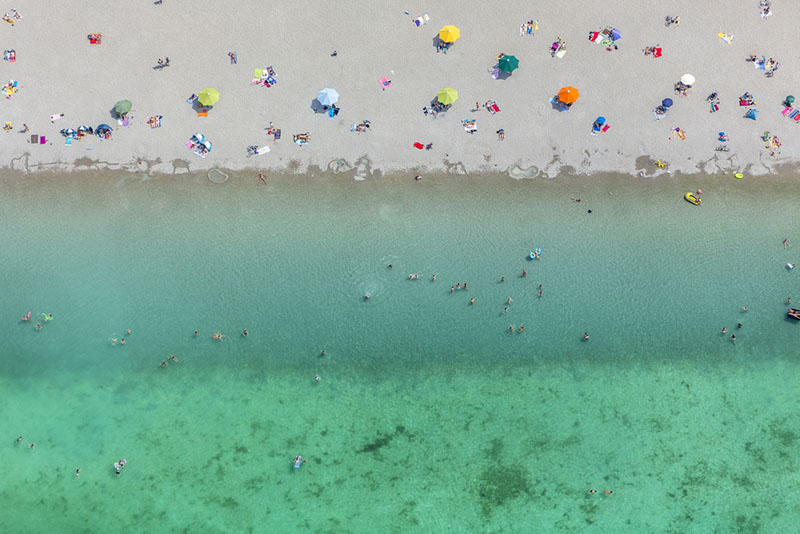
Perched at the window of his Cessna 172, photographer Klaus Leidorf crisscrosses the skies above Germany while capturing images of farms, cities, industrial sites, and whatever else he discovers along his flight path, a process he refers to as “aerial archaeology.” Collectively the photos present a fascinating study of landscapes transformed by the hands of people—sometimes beautiful, sometimes frightening. Since the late 1980s Leidorf has shot thousands upon thousands of aerial photographs and currently relies on the image-stabilization technology in his Canon EOS 5D Mark III which is able to capture the detail of single tennis ball as it flies across a court. You can explore over a decade of Leidorf’s photography at much greater reslution over on Flickr. All images courtesy the artist.
(via This Is Colossal)

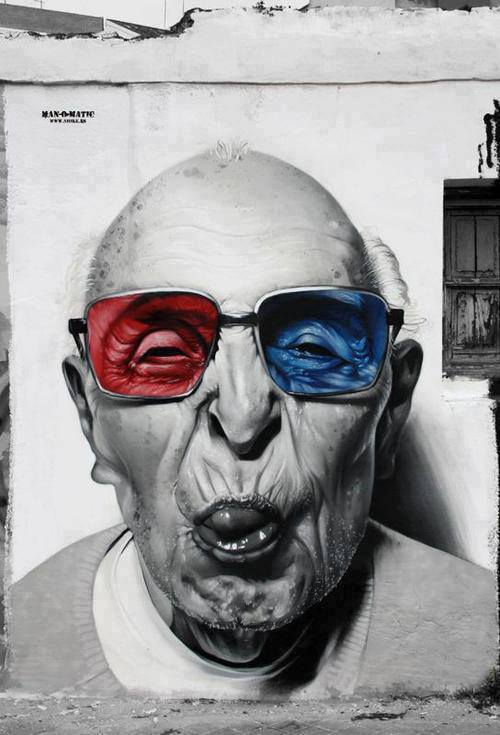
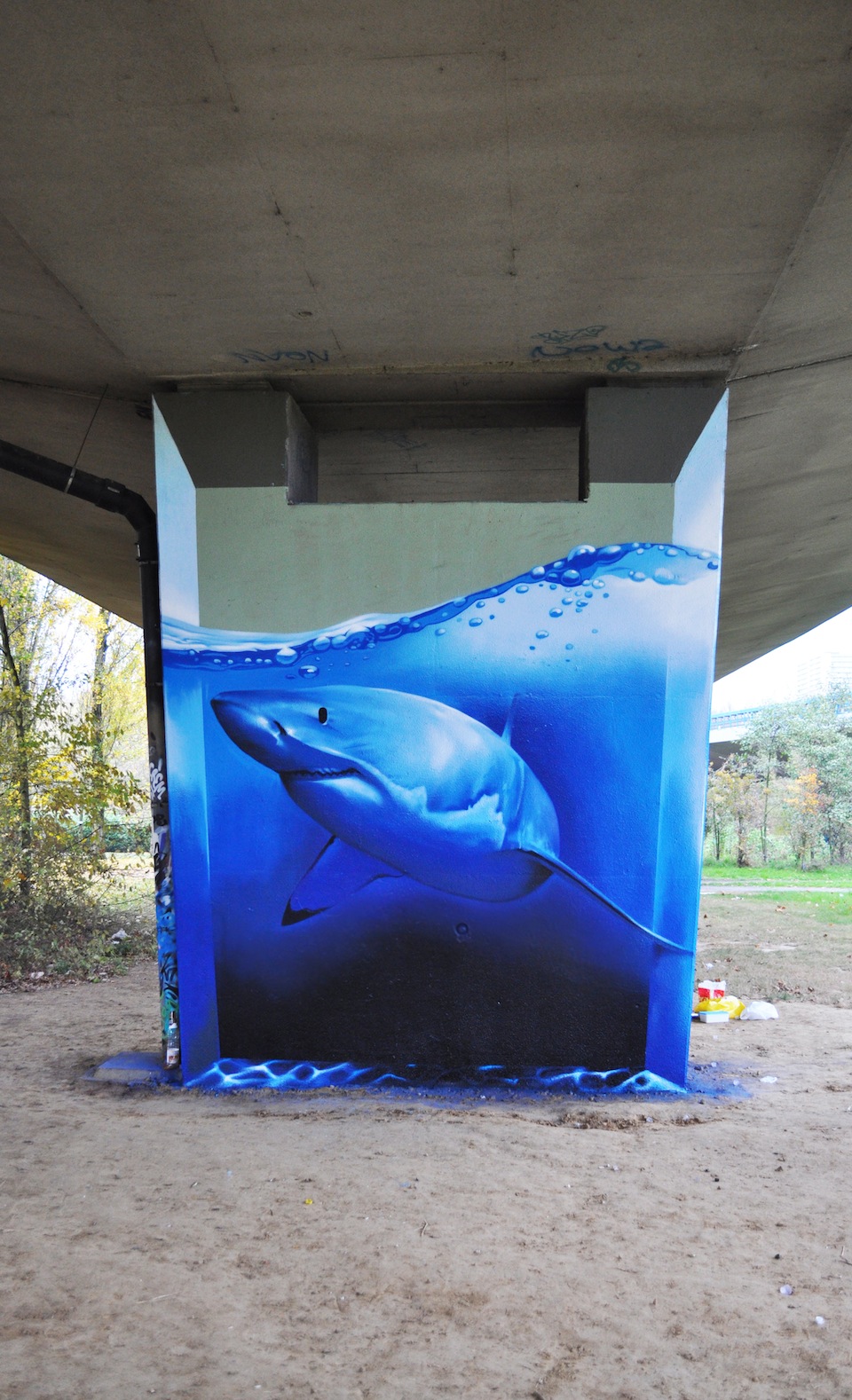
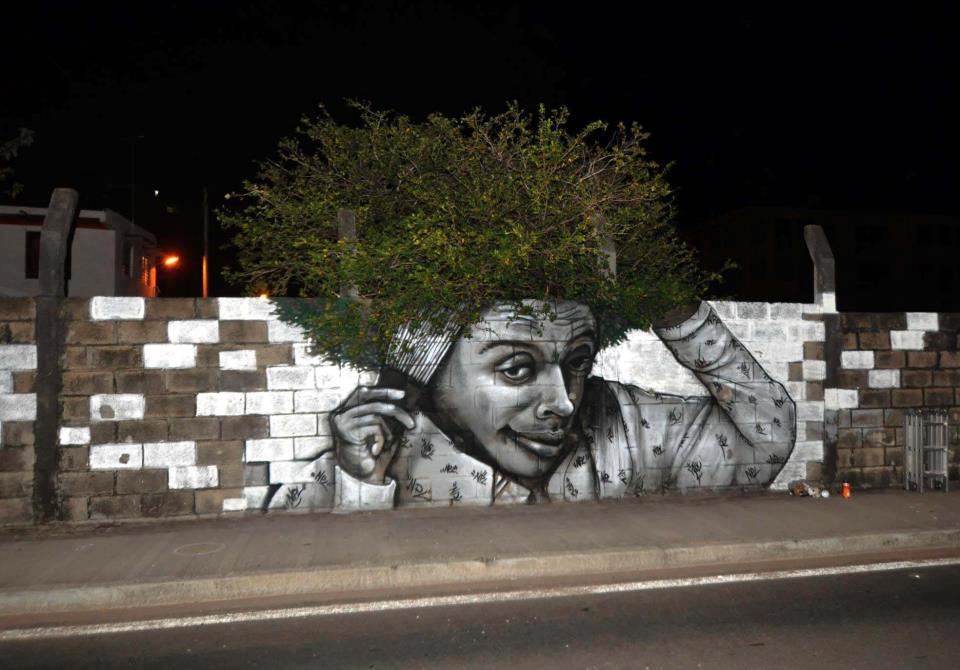
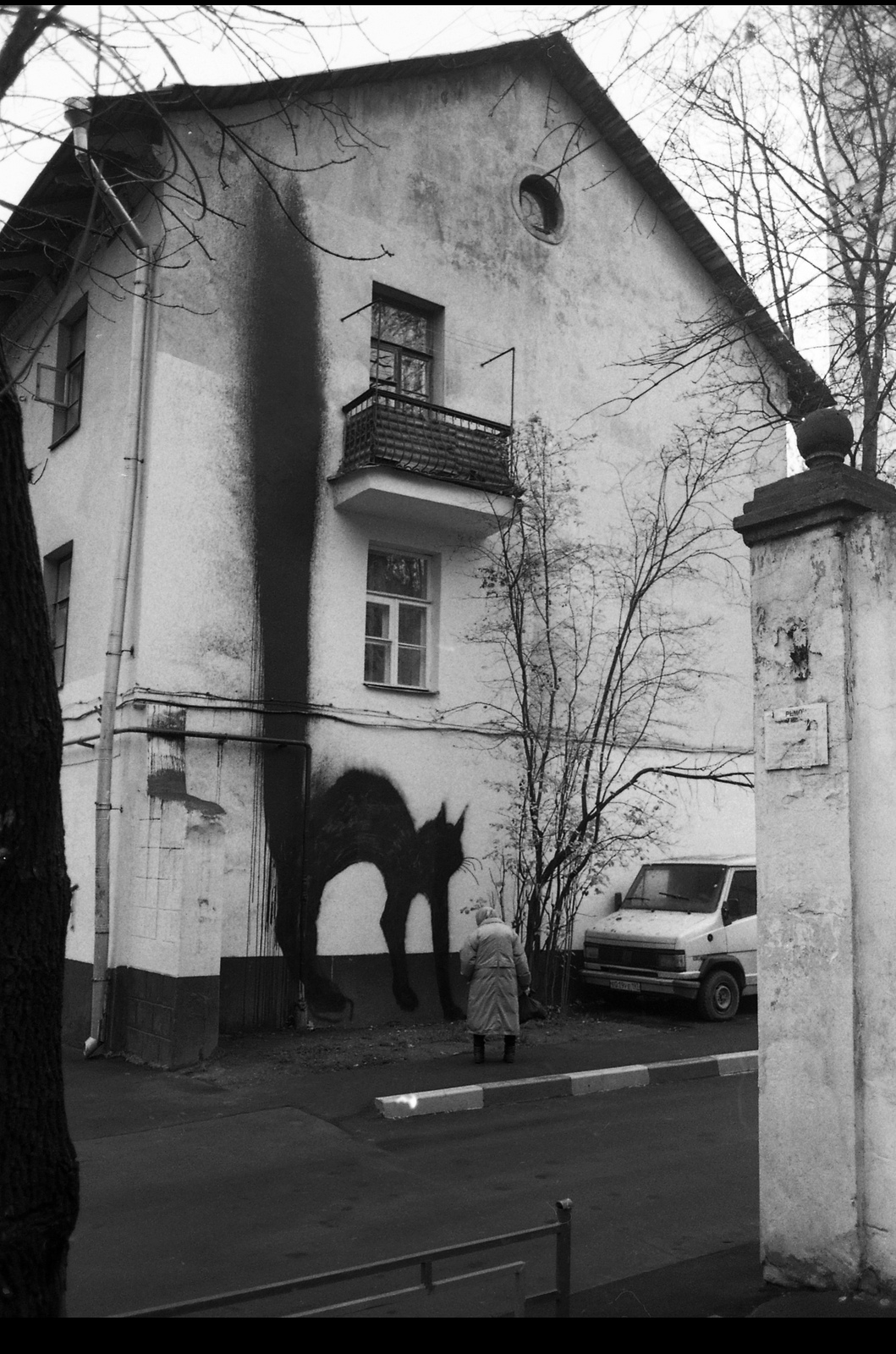
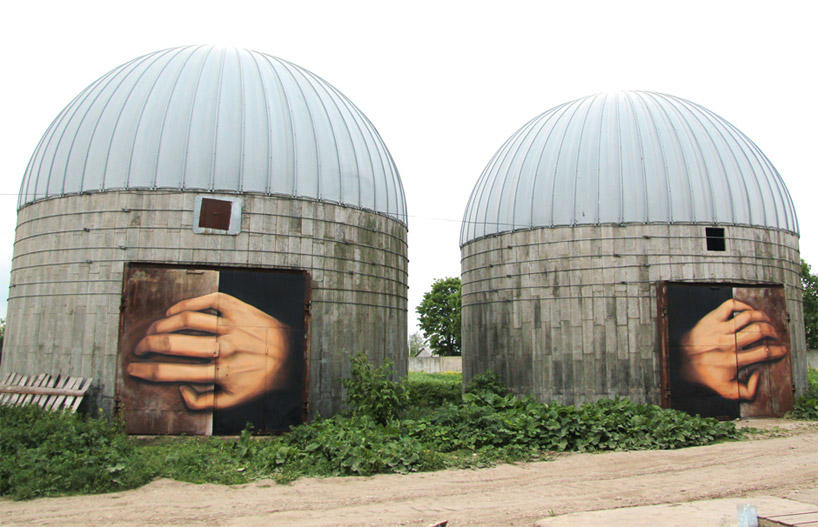
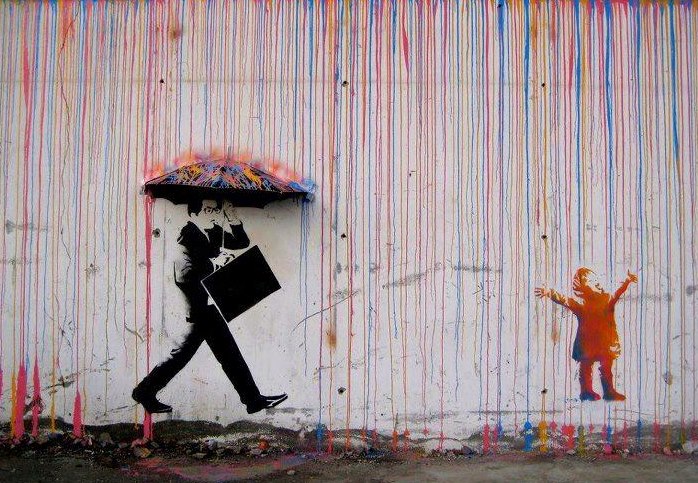
Mike found a link on Street Art Utopia, which recently posted the 106 best street art photos of 2013. This gallery shows my favorites, but the site is a wealth of artistic and clever pieces. Take a moment to peruse their gallery to see that there’s more in the world of street art than just Banksy.
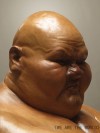
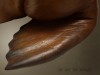
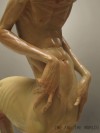
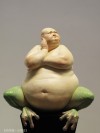
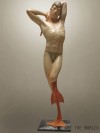
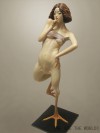
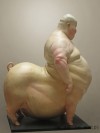
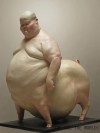
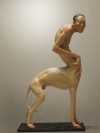
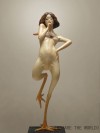
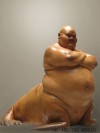
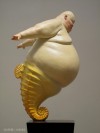
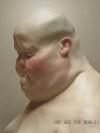
Chinese Sculpter Liu Xue created a beautiful series of human-animal hybrids that he calls “We Are The World.” Most feature obese caricatures of bald men supported under the legs of walruses, bull frogs and pigs. Others include lithe contortionists with bird legs, and a wispy crooked man shrugging over a poised greyhound body.
The entire set of 63 photos is here, and I’ve included my favorite shots above.

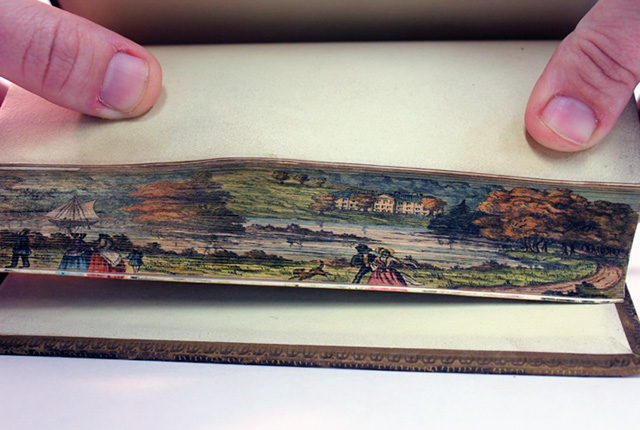
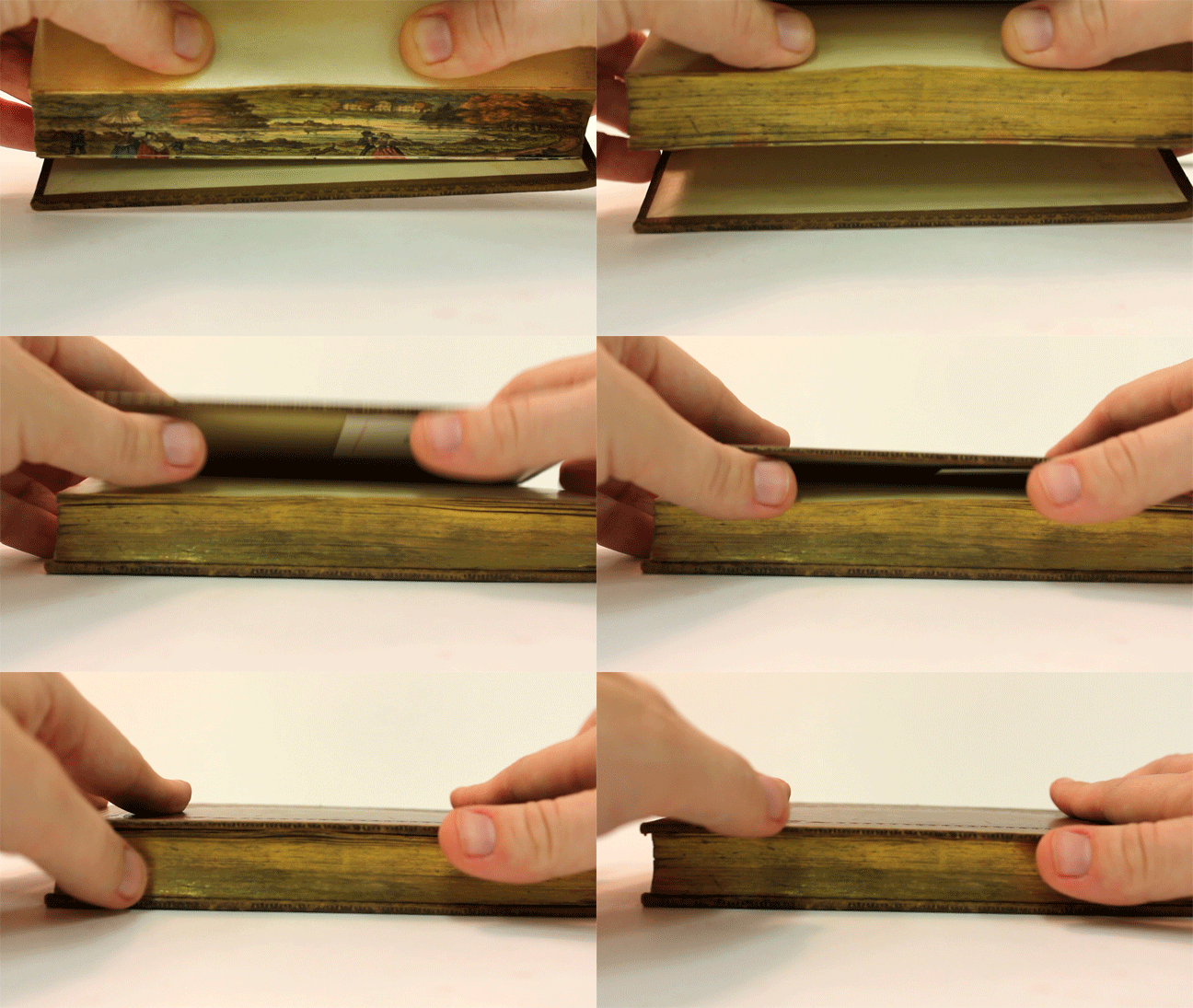
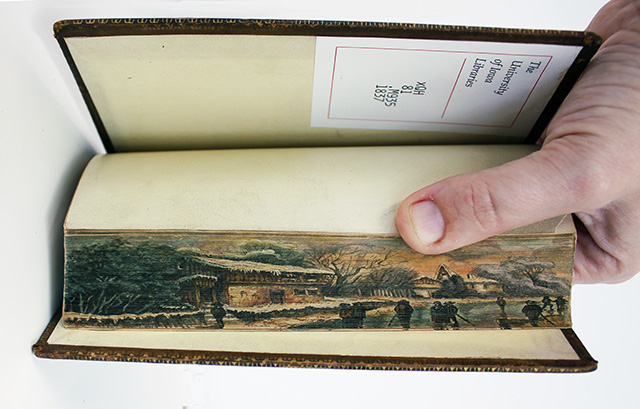
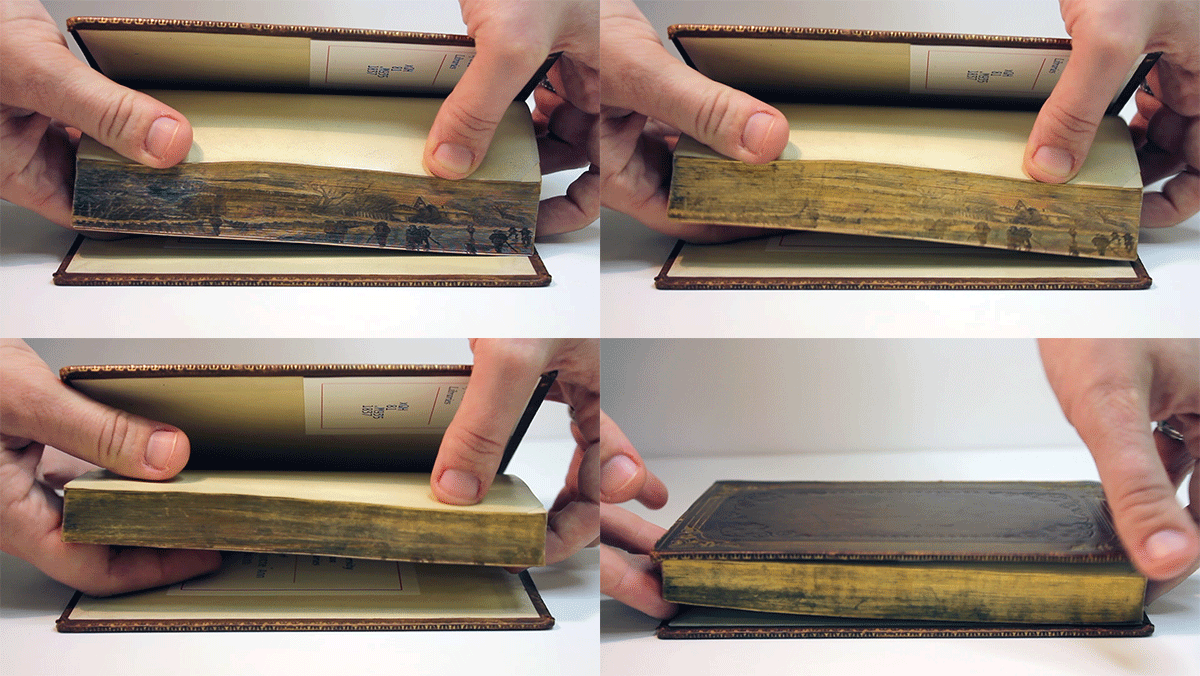
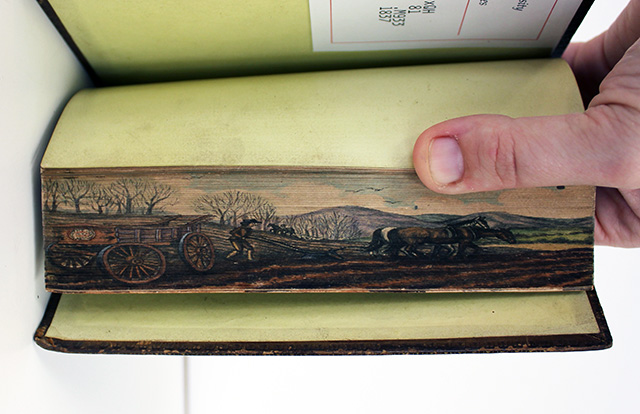
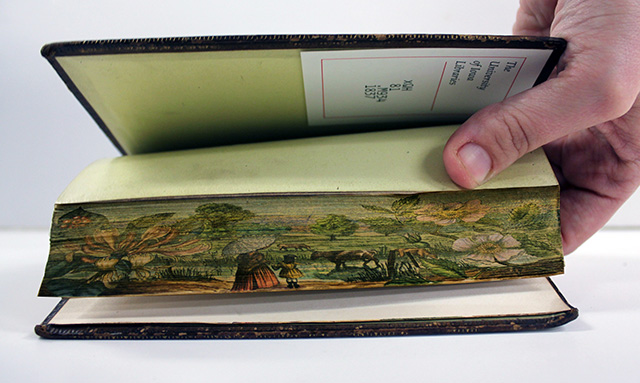
Fore-edge painting, which is believed to date back as early as the 1650s, is a way of hiding a painting on the edge of a book so that it can only be seen when the pages are fanned out. There are even books that have double fore-edge paintings, where a different image can be seen by flipping the book over and fanning the pages in the opposite direction.
(via This is Colossal)