Miscellaneous
Cyanometer
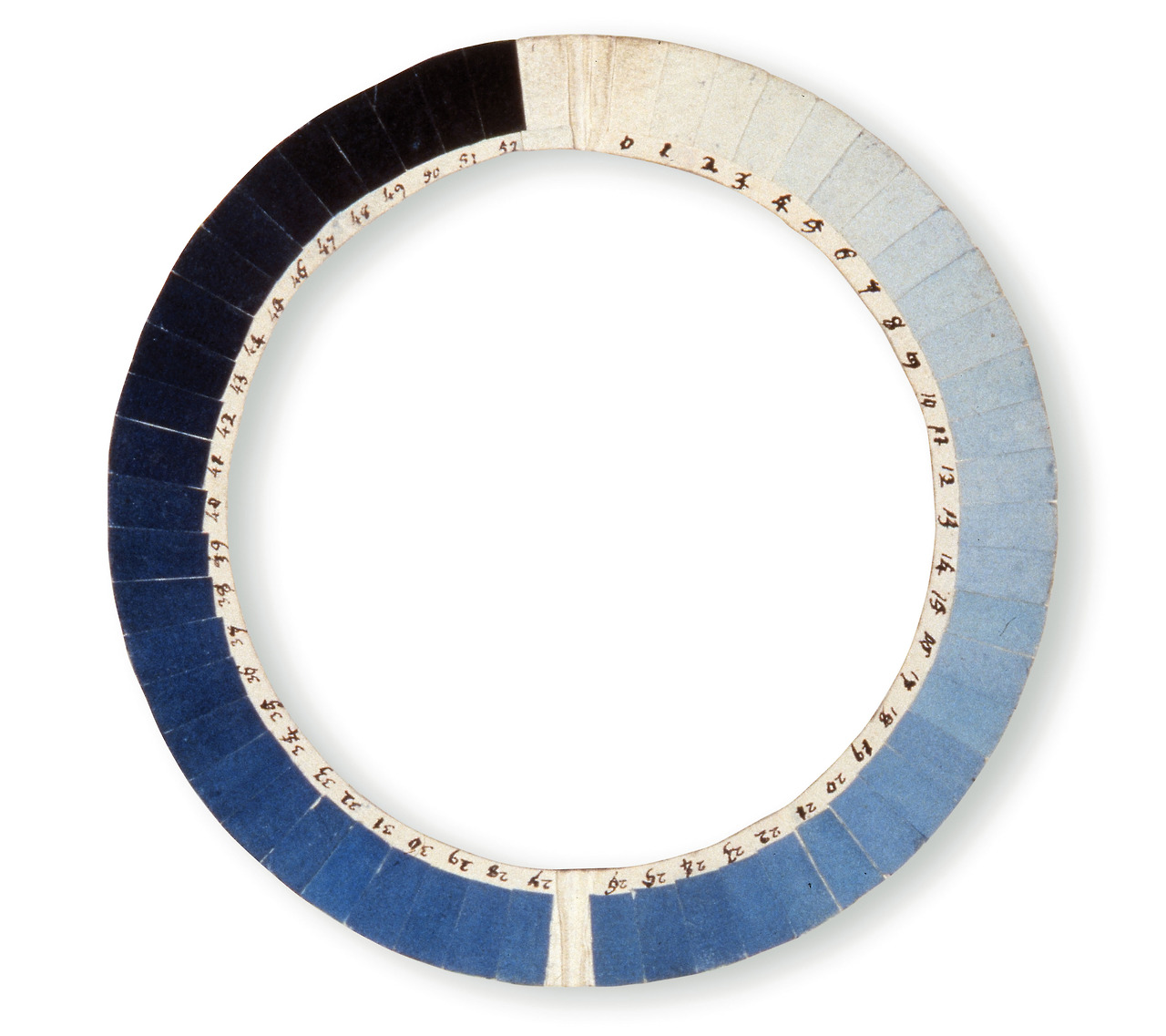
This 18th century instrument, designed to measure the blueness of the sky, is called a Cyanometer. The simple device was invented in 1789 by Swiss physicist Horace-Bénédict de Saussure and German naturalist Alexander von Humboldt who used the circular array of 53 shaded sections in experiments above the skies over Geneva, Chamonix and Mont Blanc.
The Cyanometer helped lead to a successful conclusion that the blueness of the sky is a measure of transparency caused by the amount of water vapor in the atmosphere.
Smiles Auto-Awesomed
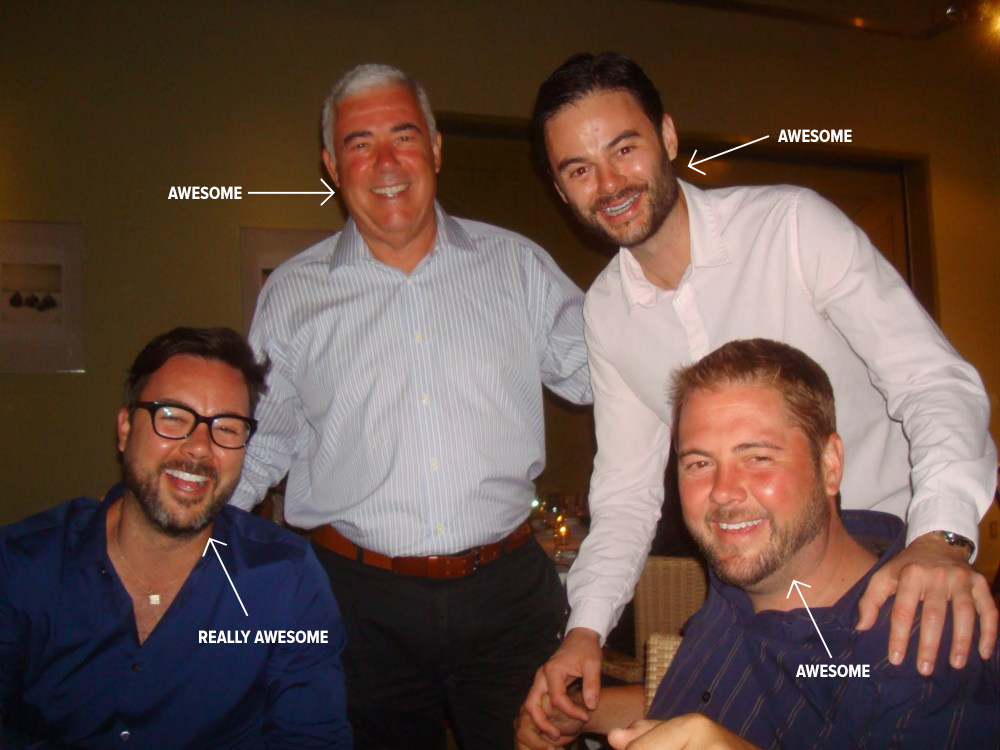
Google Plus Photos now offers a new form of auto-awesome, their service best known for adding snow to winter photos, sparkles to Christmas tree lights, and turning successive photos into animated gifs. This one is called “Smile” and it truly lives up to its name. Read more

Freelance, yes. Morons, no.

A while ago, I posted the link to The Vendor-Client Relationship, in Real-world Situations. It raised a bit of awareness to the hypocrisy of the design industry, where clients and contractors over-expect liberties from creatives. I firmly believe this is inherently an industry problem, not one that plagues specific people or firms. Read more
To eer is human…
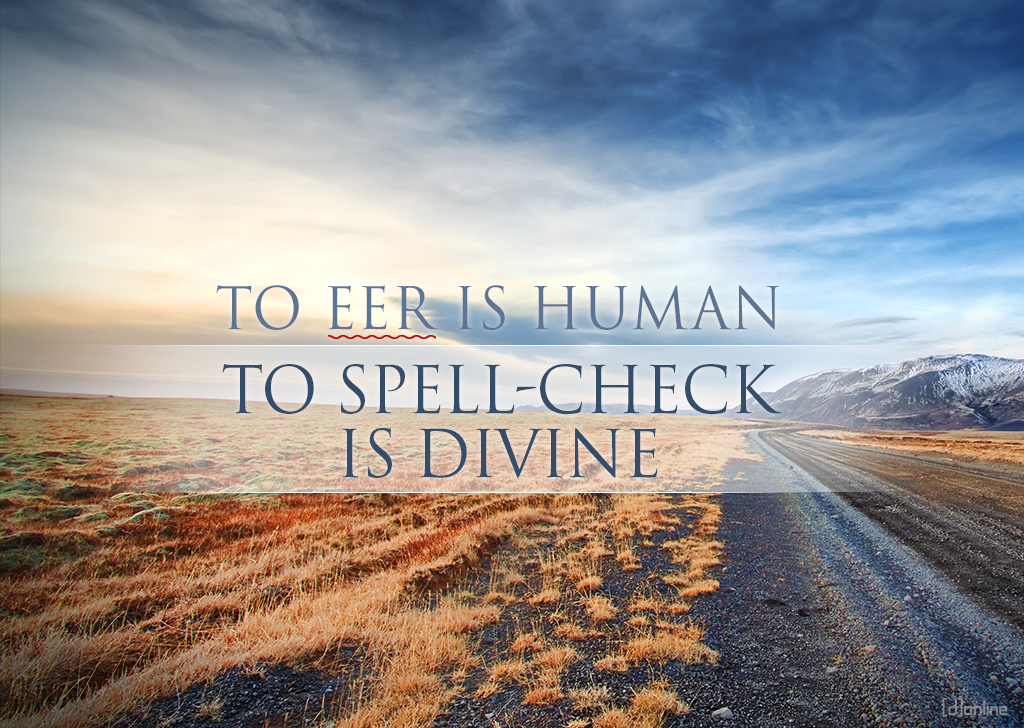
I’ve added a new image to my “don mots” collection. See the growing gallery, here.
Return to Temple Bar
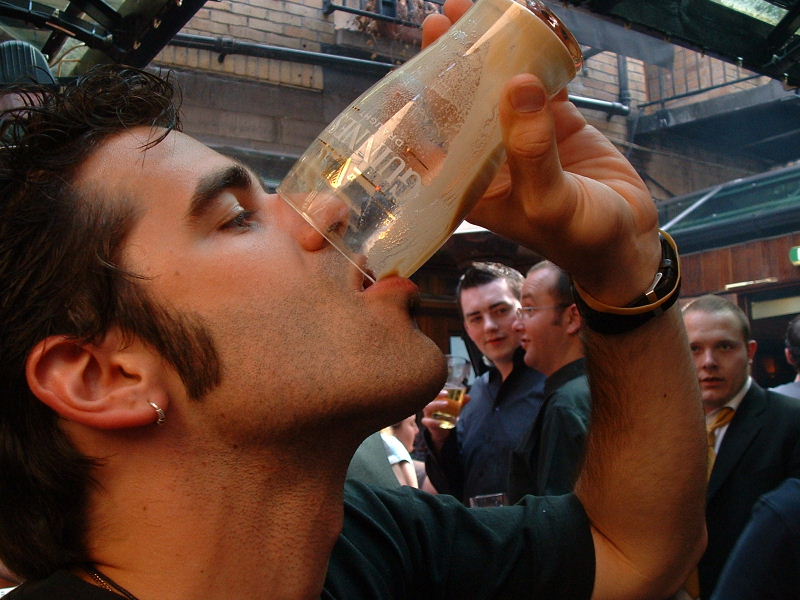

In June of 2005, I enjoyed a Black and Black (Guinness with two shots of espresso) at Temple Bar in Temple Bar—Dublin’s much older version of NYC’s Greenwich Village, riddled with tourists and students from the nearby Trinity University, which is, in turn, Dublin’s version of the much older NYU. The final swig of the drink was captured digitally by Mike, and somehow made it’s way to NewsToday and QBN design forums and their insidious PSBs.
Two weeks ago, I returned to Temple Bar and Mike thought it would be fun to recreate the photo from 8.5 years before. Above are the two pictures side-by-side. Below is an animated gif created by Google Plus’s “auto-awesome” feature. In all three photos, I’m in dire need of a good shave and notice my default wardrobe (V-neck black T-shirt) hasn’t changed much over the decade: